
Laparoscopic Metroplasty is a minimally invasive surgery performed to correct congenital abnormalities of the uterus, such as a uterine septum or T-shaped uterus. These structural issues can interfere with menstruation, cause recurrent pregnancy loss, or lead to infertility.
By reshaping and reconstructing the uterus, the procedure improves the chances of a healthy pregnancy and enhances overall reproductive function. It’s particularly beneficial for women with a history of early miscarriages or failed IVF attempts.
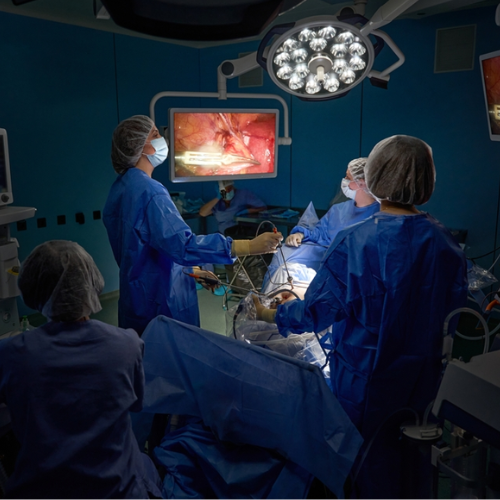
Our surgical techniques aim to preserve and enhance fertility while restoring natural uterine function.
Our specialists are highly trained in laparoscopic surgeries with deep experience in treating complex uterine anomalies.
We tailor each procedure to the patient’s fertility history and goals, offering close support before and after surgery.
Laparoscopic Metroplasty offers a combination of clinical precision and fertility restoration for women struggling with congenital uterine anomalies. The following are key benefits that make this procedure a valuable option:
Laparoscopic Metroplasty has shown remarkable outcomes in patients with a history of infertility or recurrent pregnancy loss. Clinical data indicates a high success rate in achieving full-term pregnancies post-surgery, with many women reporting successful conceptions within six months.
The risk of miscarriage drops substantially after correction of the uterine defect. Our patients have shared positive experiences, including restored menstrual regularity, improved comfort, and successful IVF cycles. Each case is closely followed up, ensuring individual care and optimal results over time
After surgery, most women experience mild abdominal discomfort and spotting, which typically resolve within a few days. A short rest period is recommended, with full recovery expected in 1–2 weeks. Follow-up consultations are vital to monitor uterine healing through imaging.
For those planning pregnancy, doctors usually recommend waiting 2–3 cycles before trying to conceive. Hormonal support or fertility planning may be provided depending on individual cases. With expert guidance and consistent aftercare, patients regain confidence in their reproductive journey and achieve better pregnancy outcomes.