
Laparoscopic Myomectomy
Endoscopic Procedures
Laparoscopic Myomectomy
What is Laparoscopic Myomectomy?
Laparoscopic Myomectomy is a minimally invasive surgical procedure to remove uterine fibroids (non-cancerous growths) from the uterus. Fibroids can cause heavy menstrual bleeding, pelvic pain, frequent urination, and fertility issues.
This procedure allows for fibroid removal while preserving the uterus, making it a preferred choice for women who wish to maintain their fertility or avoid hysterectomy. It offers quicker recovery and less scarring compared to traditional open surgery.
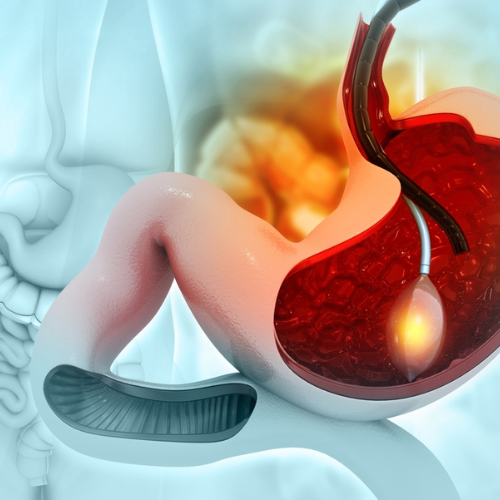
How is the Procedure Performed?
The procedure, done under general anesthesia with keyhole surgery, includes:
Inserting a laparoscope through a small incision.
Making additional incisions for surgical instruments.
Locating and removing fibroids from the uterine wall.
Suturing the uterus to maintain its structure.
Extracting fibroids using a morcellator.
Closing incisions with minimal sutures for quicker healing.
- ALL SERVICES
- HYSTEROSCOPIC SEPTUM RESECTION
- HYSTEROSCOPIC ADHESIOLYSIS
- HYSTEROSCOPIC POLYPECTOMY
- HYSTEROSCOPIC TUBAL CANNULATION
- DONOR SERVICES
- INTRACYTOPLASMIC SPERM INJECTION
- SEMEN FREEZING / EGG FREEZING
- IN VITRO FERTILIZATION (IVF)
- INTRAUTERINE INSEMINATION (IUI)
- SPERM DNA FRAGMENTATION TEST
- AZOOSPERMIA EVALUATION
- HSG/SSG
- CASA (SEMEN ANALYSIS)
- USG (TVS/3D)
- HORMONAL & BLOOD EVALUATION
Why Choose Us for Laparoscopic Myomectomy?
Advanced Fibroid Removal Techniques
We use the latest laparoscopic tools to ensure precise, complete fibroid removal with minimal trauma to the uterus.
Uterus-Sparing Approach
Our goal is to preserve the uterus whenever possible, supporting your future fertility and hormonal balance.
Experienced Surgical Team
Our gynecology surgeons specialize in advanced laparoscopic procedures, offering expert care and personalized support throughout your treatment journey.
Benefits of Laparoscopic Myomectomy
This uterus-preserving surgery is ideal for women seeking relief from fibroid symptoms while maintaining reproductive health. Some of the notable benefits include:
- Only 3–4 small incisions are made, leading to less visible scars and a cosmetically pleasing outcome.
- Most women resume daily activities within 7–10 days, compared to several weeks with open surgery.
- Laparoscopic methods reduce intraoperative bleeding, minimizing the need for transfusion.
- Postoperative discomfort is significantly lower due to smaller incisions and reduced tissue damage.
- By restoring the normal shape and function of the uterus, this procedure improves the chances of conception and healthy pregnancy.
- Patients typically return home within 24 hours, allowing recovery in the comfort of their home environment.
Success and Fertility Outcomes
Laparoscopic Myomectomy offers high success rates for symptom relief and fertility improvement. Studies report over 80–90% symptom resolution in patients treated laparoscopically. For women desiring pregnancy, fibroid removal significantly increases the likelihood of natural conception or successful IVF.
Outcomes are better when fibroids are submucosal or distort the uterine cavity. Our team carefully evaluates fibroid size, number, and location to plan a fertility-friendly surgical approach. Patients usually begin trying for pregnancy 3–6 months post-surgery after full uterine healing.
Recovery and Follow-Up Care
After the procedure, mild pain and abdominal bloating may occur but subside in a few days. Patients are encouraged to start walking the next day and gradually return to normal routines. Sexual activity and heavy lifting should be avoided for at least 4–6 weeks. We provide detailed aftercare instructions and schedule follow-ups to monitor uterine healing.
Ultrasound or MRI may be used to assess recovery, and hormone management is advised if fibroids were hormone-sensitive. With proper care, most women recover fully and experience long-term symptom relief.